
If you have ever started baking and noticed a recipe says, “use room temperature eggs, butter, or milk,” you may have wondered if it really makes a difference. The answer is yes, and it can completely change the texture, rise, and overall success of your baked goods.
Whether you are making a homemade pound cake, cookies from scratch, or upgrading a box cake mix, room temperature ingredients help create smooth batters, fluffy cakes, and bakery-style results.
I love sharing simple baking tips that make everyday recipes taste homemade and unforgettable. Understanding why room temperature ingredients matter is one of the easiest ways to improve your baking instantly.
What Does “Room Temperature” Mean?
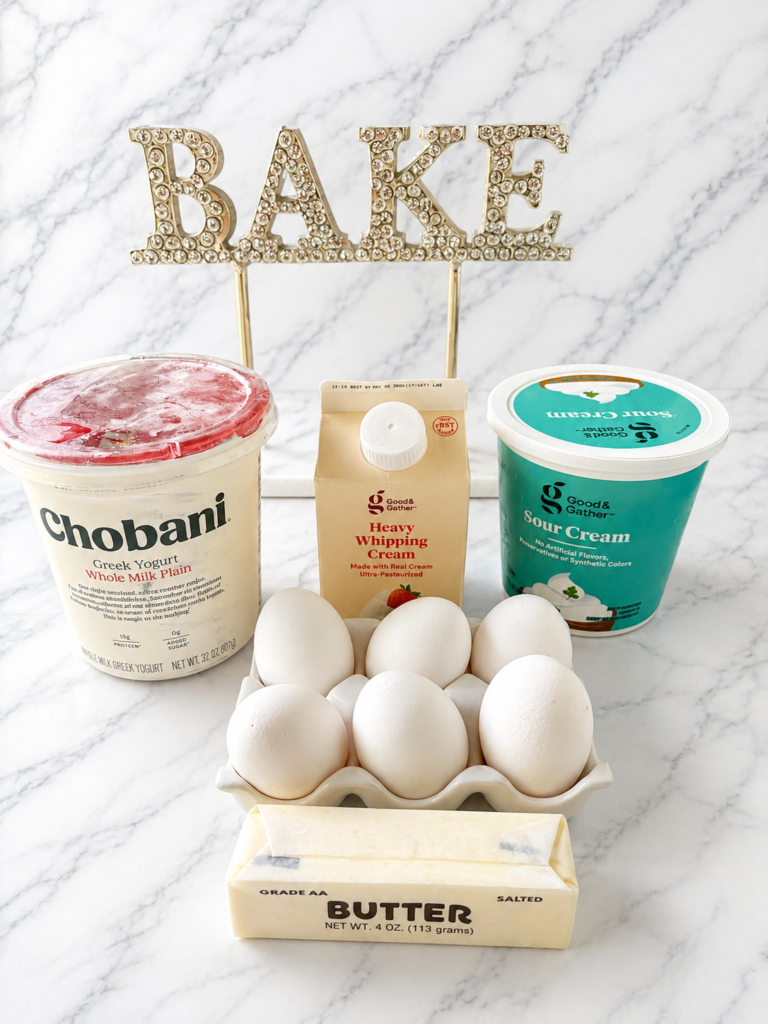
In baking, room temperature usually means ingredients are between 68°F and 72°F.
Here are common baking ingredients that should typically be room temperature:
- Butter
- Eggs
- Milk
- Sour cream
- Cream cheese
- Yogurt
- Heavy cream
When ingredients are too cold, they do not mix evenly into the batter. This can create lumps, uneven textures, dense cakes, or batters that separate.
Why Room Temperature Ingredients Matter
1. They Create a Smooth Batter
Room temperature ingredients blend together more easily. This creates a smoother batter that traps air properly during mixing.
Smooth batter helps:
- Cakes bake evenly
- Cookies spread correctly
- Frostings become creamy
- Cheesecakes stay smooth
Cold ingredients can cause butter to harden or batter to curdle.
2. They Help Cakes Rise Better
One of the biggest reasons room temperature ingredients matter is because they improve the structure of baked goods.
When butter and sugar are creamed together properly, tiny air pockets form. Those air pockets expand in the oven and help cakes rise.
If butter or eggs are cold:
- Air cannot incorporate properly
- Batter becomes dense
- Cakes may sink in the middle
- Texture becomes heavy instead of fluffy
This tip is especially important for:
- Pound cakes
- Layer cakes
- Cupcakes
- Box cake mix recipes
3. They Improve Texture
Using room temperature ingredients can make the difference between a dry cake and a moist cake.
Properly mixed ingredients create:
- Softer crumbs
- Moist texture
- Tender cakes
- Better consistency
Cold ingredients often create uneven baking because the batter temperature is inconsistent.
4. They Prevent Overmixing
When ingredients blend easily, you spend less time mixing the batter.
Overmixing develops gluten and can make baked goods:
- Tough
- Dense
- Dry
- Chewy when they should be soft
Room temperature ingredients help everything combine quickly and smoothly.
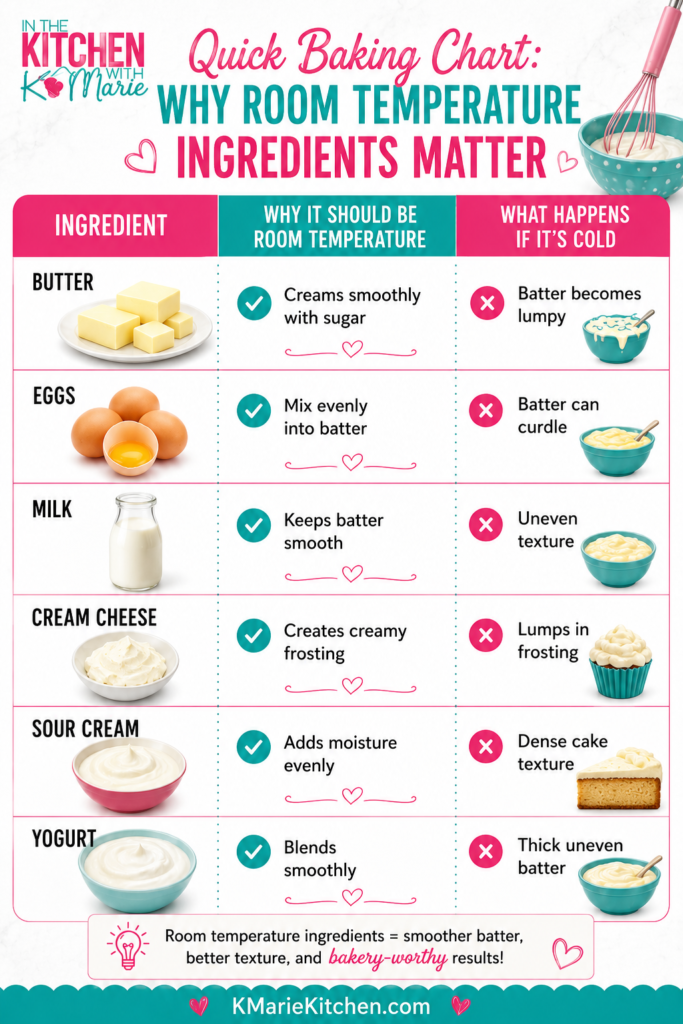
Quick Baking Chart: Why Room Temperature Ingredients Matter
| Ingredient | Why It Should Be Room Temperature | What Happens If It’s Cold |
|---|---|---|
| Butter | Creams smoothly with sugar | Batter becomes lumpy |
| Eggs | Mix evenly into batter | Batter can curdle |
| Milk | Keeps batter smooth | Uneven texture |
| Cream Cheese | Creates creamy frosting | Lumps in frosting |
| Sour Cream | Adds moisture evenly | Dense cake texture |
| Yogurt | Blends smoothly | Thick uneven batter |
How to Quickly Bring Ingredients to Room Temperature
Butter
Cut butter into small cubes and let it sit for 20–30 minutes.
Avoid microwaving too long because melted butter changes the texture of baked goods.
Eggs
Place eggs in a bowl of warm water for 5–10 minutes.
This is one of the fastest baking hacks for last-minute recipes.
Milk or Heavy Cream
Let dairy sit on the counter for about 20 minutes before baking.
Cream Cheese
Cut into cubes and allow it to soften naturally for smoother frosting and cheesecake batter.
Does This Matter for Box Cake Mix Recipes?
Yes, absolutely!
If you love upgrading box cake mix recipes like I do, room temperature ingredients can make your cakes taste more homemade.
Using room temperature ingredients can help create bakery-style texture and richer flavor!
- Eggs
- Sour cream
- Milk
- Butter
This works especially well for:
- Chocolate cakes
- Pound cakes
- Red velvet cakes
- Strawberry cakes
- Coconut cakes
Common Baking Mistakes with Cold Ingredients
Using Cold Butter
Cold butter does not cream properly and often creates dense cakes.
Adding Cold Eggs to Butter
This can cause the batter to separate or curdle.
Using Cold Cream Cheese
Cold cream cheese creates lumpy frosting and cheesecake filling.
Mixing Too Long
Trying to force cold ingredients together often leads to overmixed batter.
Best Recipes to Practice This Baking Tip
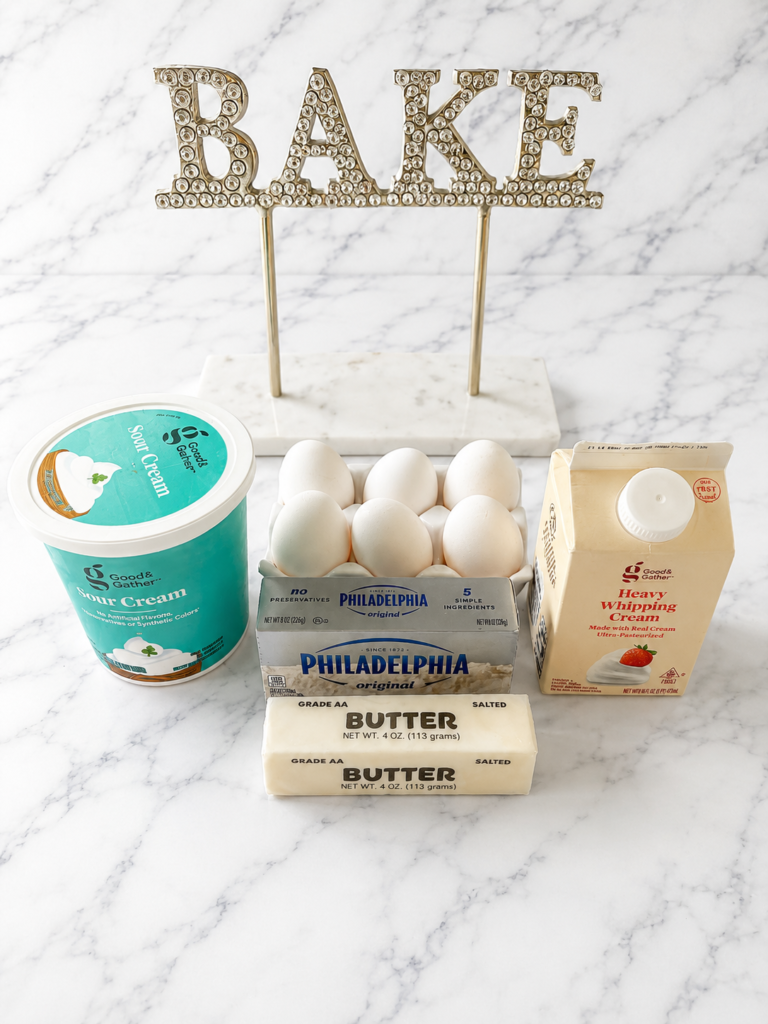
You can easily test this baking trick with:
- Vanilla pound cake
- Chocolate cupcakes
- Red velvet cake
- Banana bread
- Sugar cookies
- Box cake mix hacks
Once you compare the texture side-by-side, you will notice the difference immediately.
Frequently Asked Questions
Can I bake with cold eggs?
Yes, but room temperature eggs mix better and create smoother batter.
What happens if butter is too soft?
Overly soft or melted butter can make cookies spread too much and cakes become greasy.
How long should ingredients sit out?
Usually 20–30 minutes is enough for most baking ingredients.
Do professional bakers use room temperature ingredients?
Yes. This is one of the most common professional baking techniques.
Final Sweet Tip
Sometimes the smallest baking tips make the biggest difference.
Using room temperature ingredients may seem simple, but it can completely transform your cakes, cookies, and desserts from average to bakery-style delicious.
The next time you bake, give your ingredients a little time to warm up before mixing. Your batter will be smoother, your cakes will rise better, and your desserts will taste even more homemade.
More Baking Tips from KMarie Kitchen
You may also enjoy:
- Best Oil for Box Cake Mix
- Sour Cream vs Greek Yogurt in Baking
- Pantry Staples for Baking
- How to Make Cake Mix Taste Homemade
Sweet Endings at KMarie Kitchen
Good food brings people together, but the little baking secrets passed down in the kitchen are what make recipes unforgettable. From Sunday desserts to quick weeknight treats, every recipe tells a piece of my family story, and sometimes the smallest details make the sweetest difference.
Leave a Reply