
When many people think about Juneteenth celebrations, one thing often stands out on the table — the color red. From fruit punch and strawberry soda to red velvet cake, watermelon, and barbecue, red foods have become an important part of Juneteenth traditions across generations.
But have you ever wondered why?
The tradition of serving red foods and drinks during Juneteenth carries deep meaning rooted in resilience, remembrance, joy, and cultural heritage. More than just a color theme, these dishes tell a story — one that connects family, freedom, celebration, and the preservation of history through food.
As families gather around the table each June, these recipes become more than side dishes and desserts. They become a way to honor ancestors, celebrate freedom, and continue traditions that have been passed down through generations.
What Is Juneteenth?
Juneteenth is celebrated every year on June 19th and commemorates the emancipation of enslaved African Americans in the United States.
Although the Emancipation Proclamation was issued in 1863, many enslaved people in Texas did not learn they were free until June 19, 1865, when Union troops arrived in Galveston, Texas to announce the news.
Today, Juneteenth is recognized as a federal holiday and is celebrated with:
- family gatherings
- cookouts
- festivals
- storytelling
- music
- prayer
- and of course, food
Food has always played a central role in Black celebrations and Southern traditions, helping preserve stories and memories that continue to shape generations.
Why Are Foods Red for Juneteenth?
The color red holds powerful symbolism in Juneteenth celebrations.
Red foods and drinks are often served to represent:
- resilience
- sacrifice
- strength
- transformation
- and joy
The tradition also has ties to West African culinary customs, where red-colored foods and beverages were used during ceremonies and celebrations. Ingredients like hibiscus, kola nuts, and red palm oil carried both spiritual and cultural significance.
Over time, these traditions blended into African American food culture, especially throughout the South, where Juneteenth celebrations became centered around community meals and cookouts.
Today, red foods remain one of the most recognizable symbols of Juneteenth.
Traditional Red Foods Served During Juneteenth
Many Juneteenth recipes feature naturally red ingredients or bold red coloring. Some dishes are deeply rooted in history while others have become modern traditions served at family celebrations every year.
Popular red foods for Juneteenth include:
Red Punch and Strawberry Drinks
Bright red drinks are often the centerpiece of Juneteenth gatherings. From homemade fruit punch to strawberry lemonade and strawberry soda, these refreshing drinks symbolize celebration and togetherness.
A cold glass of punch on a hot summer day instantly brings back memories of backyard cookouts, folding tables covered with food, and family laughing under the shade of trees.
If you are planning your own Juneteenth menu, a festive red punch is always a beautiful addition to the table. Click the link below for my recipe for a fun and festive red punch!
Juneteenth Red Punch
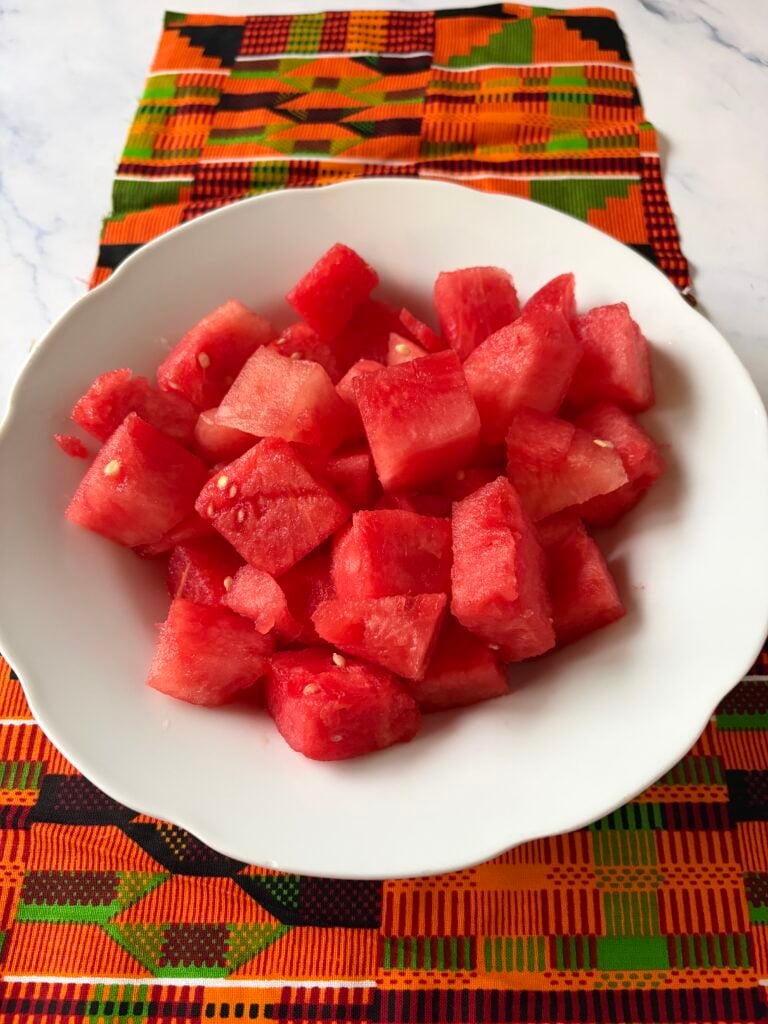
Watermelon
Watermelon has long been associated with summer gatherings and cookouts. Its vibrant red color makes it a common fruit served during Juneteenth celebrations.
Whether sliced fresh, blended into drinks, or added to fruit salads, watermelon continues to be a seasonal favorite shared among family and friends.
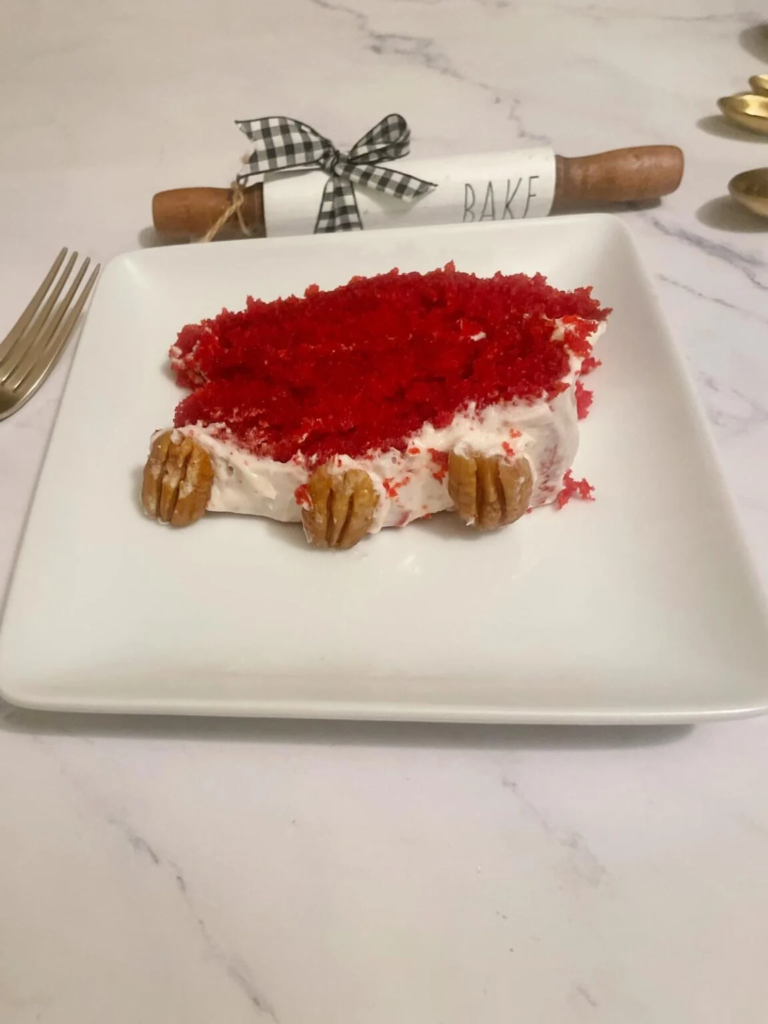
Red Velvet Cake
Few desserts make a statement quite like red velvet cake. Its rich red color and Southern roots make it a popular dessert choice during Juneteenth celebrations.
Served with cream cheese frosting or layered into cupcakes, red velvet desserts add both beauty and tradition to the dessert table.
Barbecue With Red Sauce
Barbecue is often the heart of a Juneteenth cookout. Sticky red sauces brushed over ribs, chicken, and pulled pork represent both flavor and tradition.
The smell of barbecue on the grill has become part of the celebration itself — bringing people together through food, conversation, and community.
Strawberries and Red Desserts
Strawberry pies, strawberry shortcake, red velvet cookies, and fruit-filled desserts are all popular additions to Juneteenth menus.
These colorful desserts help create a festive table while continuing the tradition of serving red foods during the holiday.
The Importance of Food Traditions
For many families, Juneteenth recipes are deeply personal.
Some dishes come from grandparents and great-grandparents. Others are recreated year after year because they remind us of home, celebration, and family gatherings filled with love.
Food has always been one of the most powerful ways stories are preserved. A simple recipe can carry memories across generations — reminding us not only where we came from, but how far we have come.
That is what makes Juneteenth meals so meaningful.
Every punch bowl, barbecue plate, and homemade dessert tells part of the story.
Juneteenth Celebration Food Ideas
If you are planning a Juneteenth menu, here are a few recipes from my website:
Mixing family recipes with traditional dishes is a wonderful way to celebrate the holiday while creating new memories around the table.
Sweet Endings from KMarie Kitchen
Juneteenth is more than a celebration — it is a reminder of resilience, culture, family, and freedom. The recipes shared around the table help keep those stories alive for future generations.
Whether it is a glass of red punch, a slice of red velvet cake, or the smell of barbecue filling the backyard, these foods represent more than tradition. They represent connection.
From my kitchen to yours, may your Juneteenth celebration be filled with love, laughter, storytelling, and recipes worth passing down for years to come.
Leave a Reply